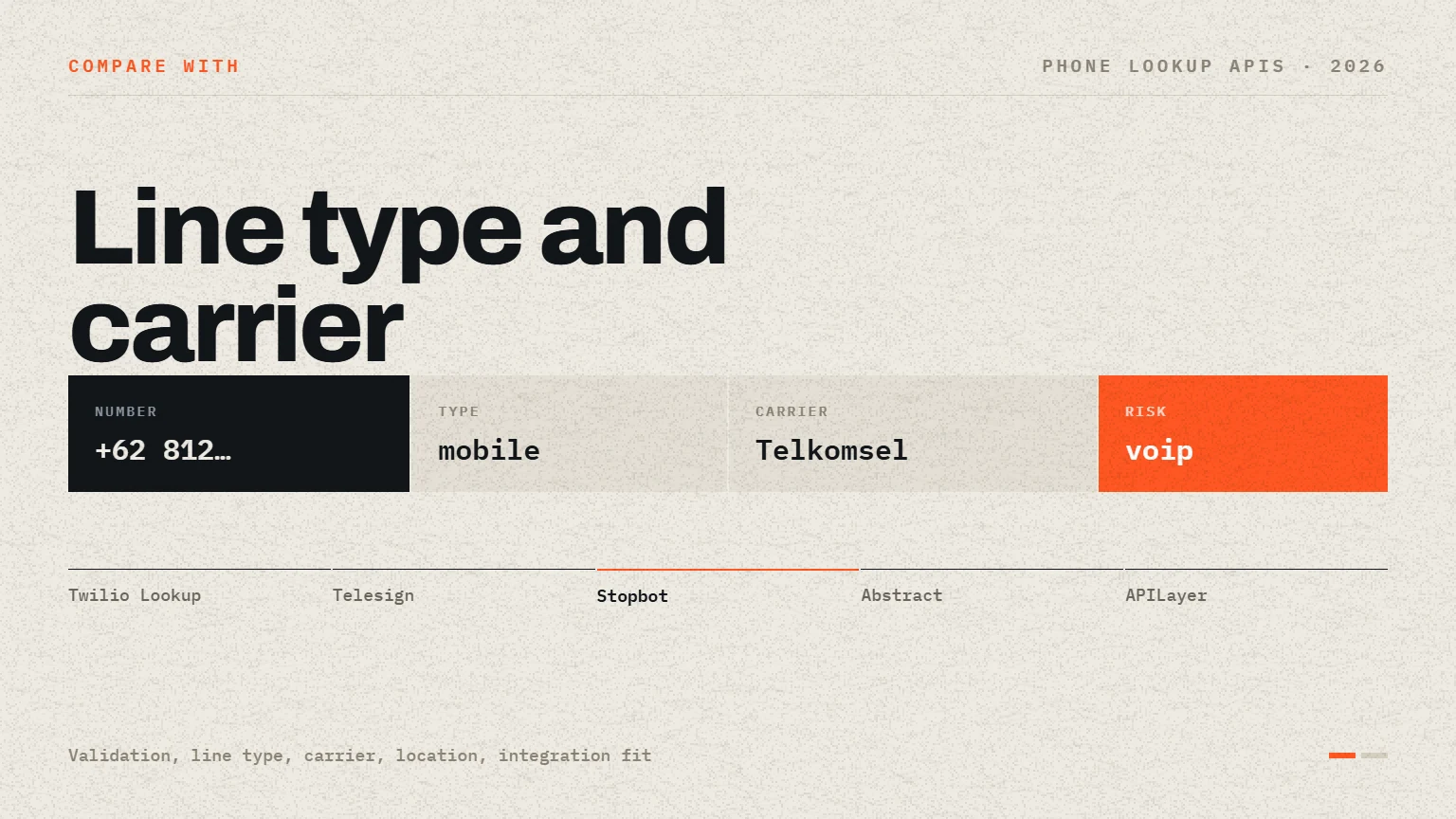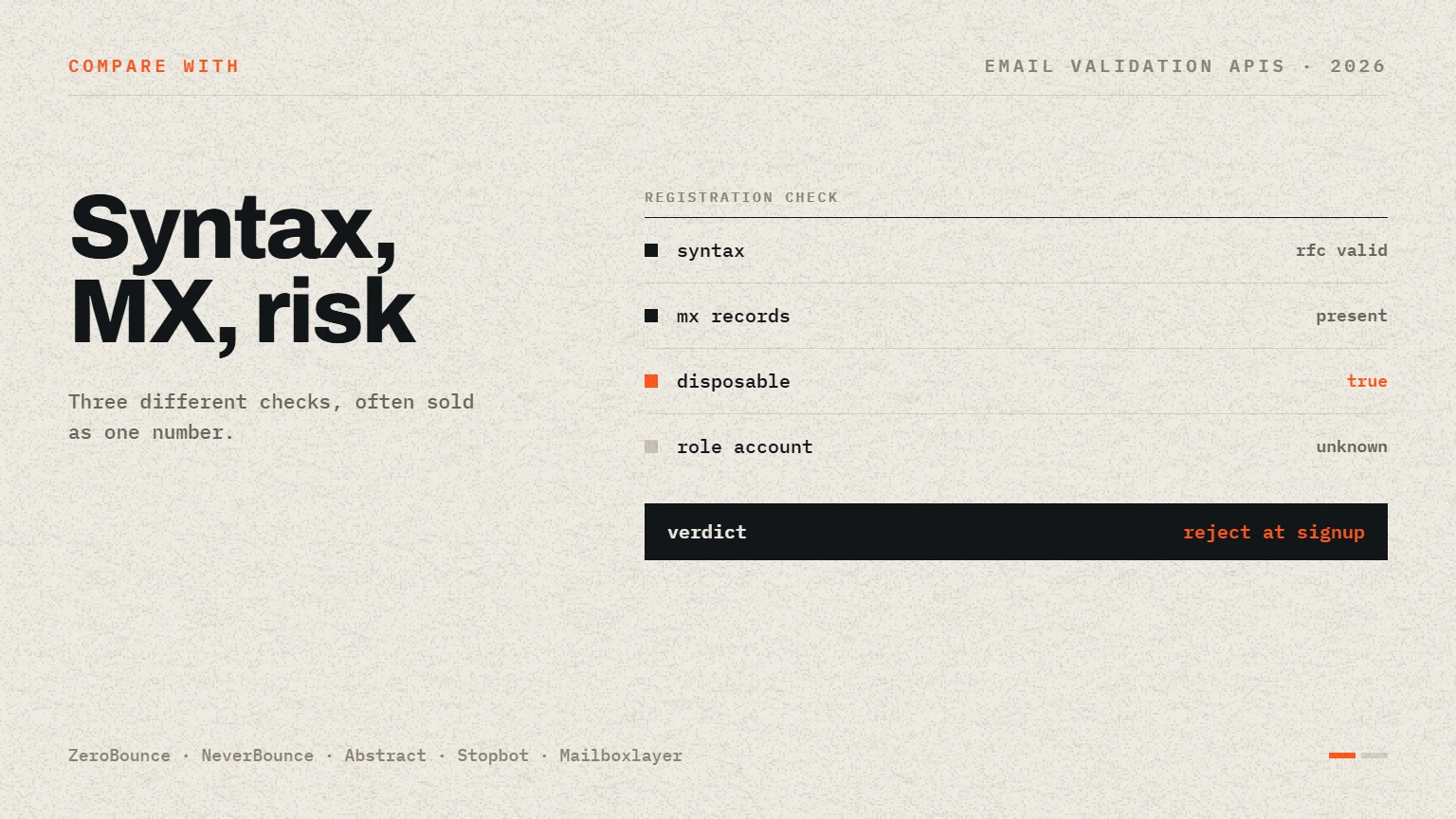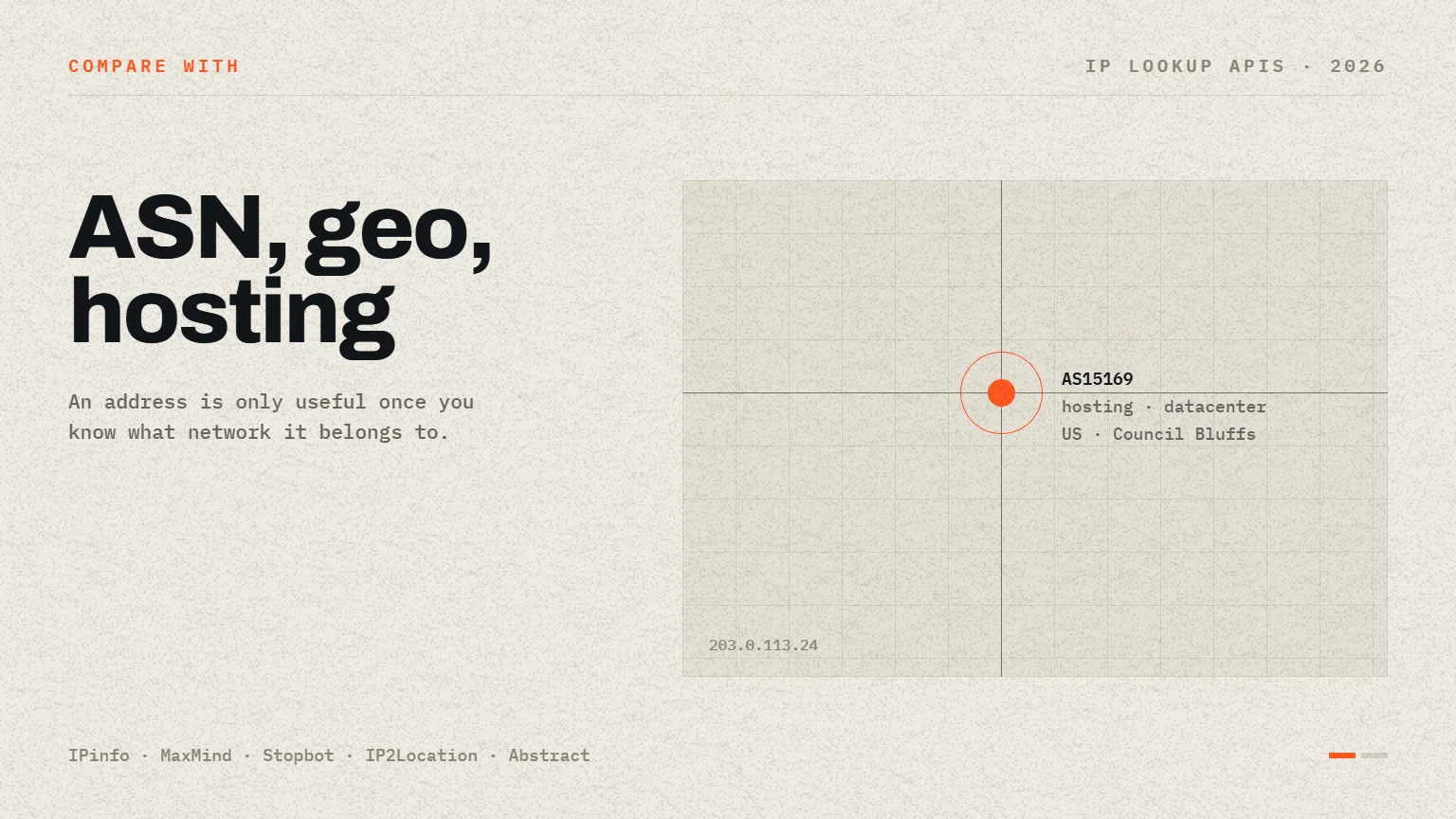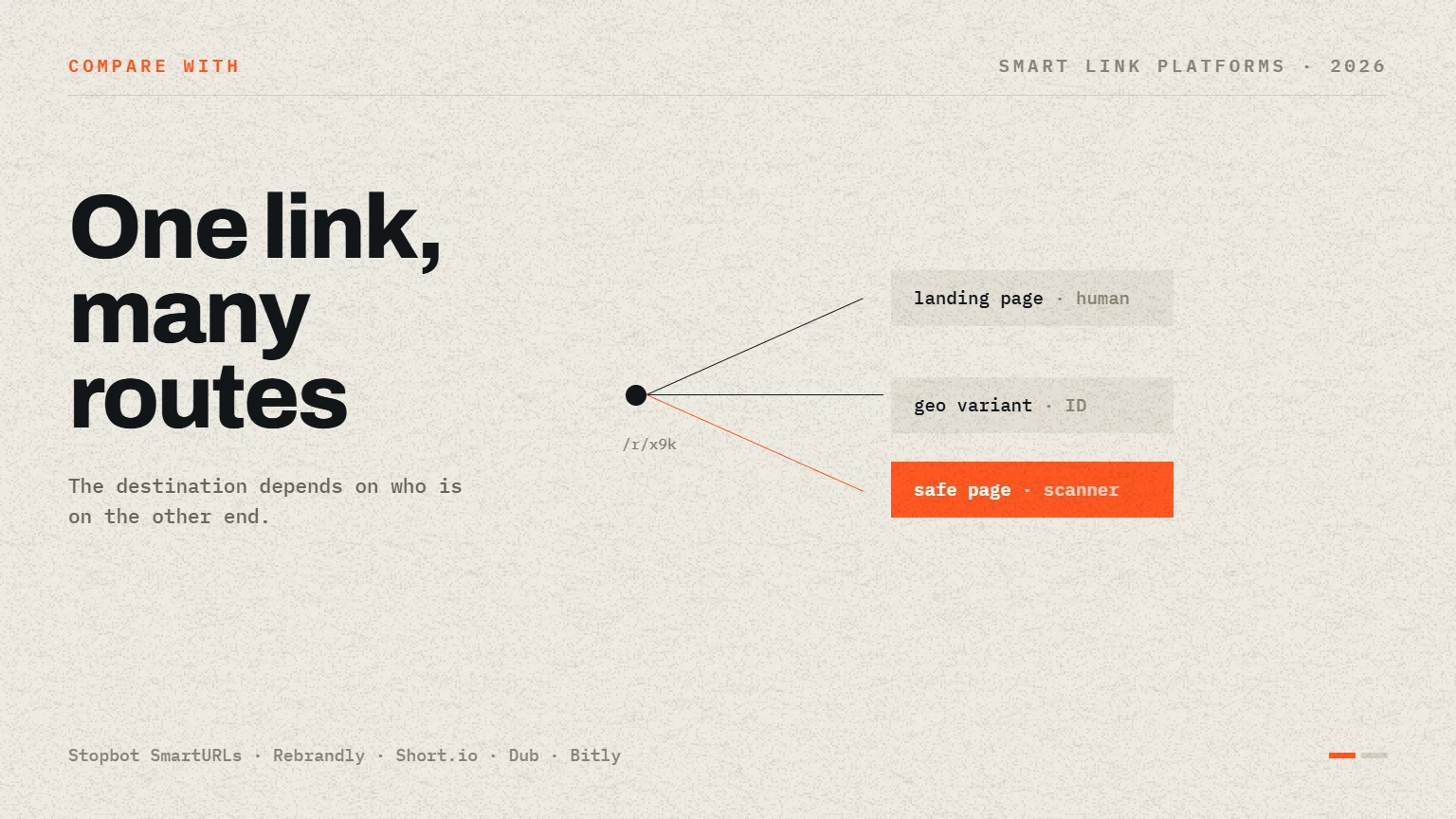
Smart link products can share a short-link shape while serving different goals. Stopbot SmartURLs evaluates visitor and security context before returning a destination. Rebrandly, Short.io, Dub, and Bitly emphasize combinations of branded links, destination routing, attribution, and analytics. This ranking is specifically for teams that place security-aware traffic routing ahead of general campaign analytics.
Selection criteria
- Ability to vary a destination using visitor, policy, or security context.
- Control over redirect behavior and invalid or blocked requests.
- Support for branded links, geographic routing, and integration workflows.
- Visibility into link activity without treating analytics as a security verdict.
- Clarity of public documentation for the compared capability.
Use-case ranking
Ranking for security-aware smart links
The order favors visitor evaluation and access policy before redirect analytics. For brand management or attribution-first campaigns, a product placed lower here may be the better choice.
- 1
Stopbot SmartURLs
Best for: Teams that want a redirect destination informed by bot, network, URL, and customer policy.
SmartURLs uses the Stopbot service response to decide whether and where a visitor should be redirected. It ranks first for this narrow security-aware routing use case because traffic evaluation is part of the redirect workflow rather than an analytics feature added after the click.
Strengths
- Security and access decision fields accompany redirect behavior.
- PHP and Go client implementations are available for V2 integration.
- Customer configuration controls the key name and redirect policy.
Limitations
- It is not positioned as a full marketing attribution suite.
- Customers operating their own client must secure configuration, proxy headers, and error handling.
- 2
Rebrandly
Best for: Branded-link programs that need dynamic routing rules such as geography, device, or time.
Rebrandly documents dynamic link routing that can redirect clicks according to conditions. It is a strong choice for brand-led link management with routing flexibility, although its primary framing differs from Stopbot's request-security decision model.
Strengths
- Branded link management is central to the product.
- Dynamic routing supports several campaign conditions.
- Suitable for marketing and operational link programs.
Limitations
- Dynamic routing should not be assumed to equal bot mitigation.
- Confirm the exact plan and rule limits before designing a workflow.
- 3
Short.io
Best for: Teams wanting branded short links with flexible targeting and developer features.
Short.io presents a broad set of branded-link, targeting, analytics, and API capabilities. It is a practical routing platform when campaign operations and destination rules are more important than a dedicated security verdict for each visitor.
Strengths
- Broad short-link feature set and API access.
- Targeting options support differentiated destinations.
- Custom domains fit branded deployments.
Limitations
- Security classification is not the central comparison criterion it wins on.
- Teams should separately protect destination and account workflows.
- 4
Dub
Best for: Modern product and marketing teams that want link attribution plus geographic targeting.
Dub combines link management, analytics, attribution, and geographic targeting in a developer-friendly product. It is attractive for growth workflows, but a security team should not treat geographic routing or click analytics as a substitute for request-level bot evaluation.
Strengths
- Modern link-management and attribution workflow.
- Geo targeting is documented for destination control.
- Developer-oriented integrations and link APIs.
Limitations
- The main product goal is broader than security-aware access decisions.
- Security policy for the destination still needs dedicated controls.
- 5
Bitly
Best for: Organizations prioritizing established link management, engagement data, and campaign reporting.
Bitly offers widely used link management and analytics. It is a strong analytics-first option, but it ranks lower for this specific comparison because the criterion is security-aware pre-redirect policy rather than engagement measurement.
Strengths
- Established link-management ecosystem.
- Analytics help teams understand engagement.
- Suitable for large branded campaign programs.
Limitations
- Bitly is optimized for link management and post-click measurement rather than request-level bot classification.
- A security-aware allow or block decision before redirect requires a separate control.
Do not confuse routing with authorization
A redirect can steer traffic, but the destination must still enforce authentication, authorization, validation, and abuse controls. Normalize URLs before loop detection, restrict allowed schemes, avoid reflecting untrusted destinations, and define a local error response when the routing service is unavailable. Sensitive query values should not be copied into logs or third-party analysis systems.
Sources
Choose from evidence
Verify the current product fit before you commit.
Use the published criteria as a shortlist, then confirm current documentation, test with representative traffic, and measure false positives, latency, and operational cost in your own environment.